
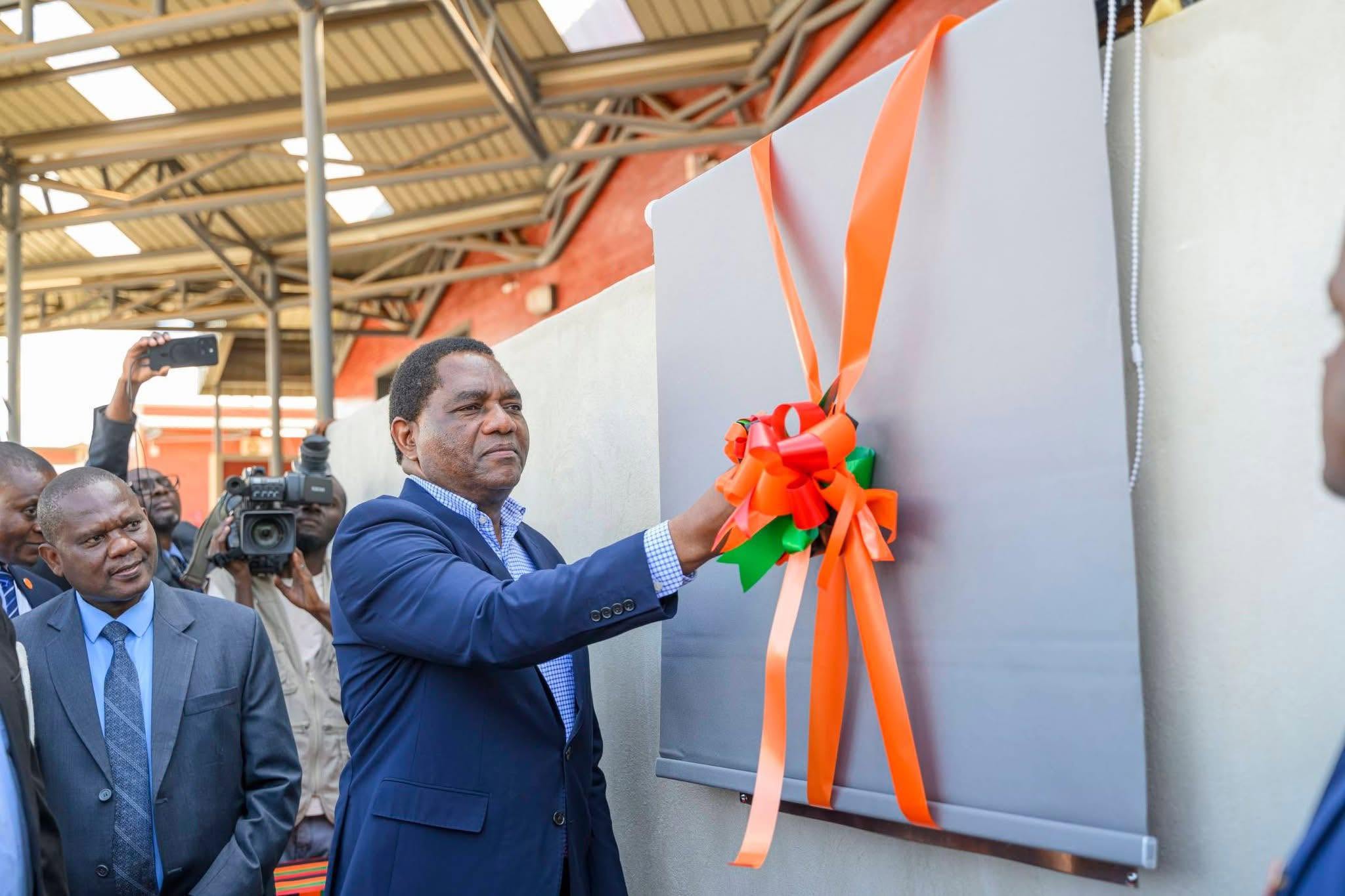
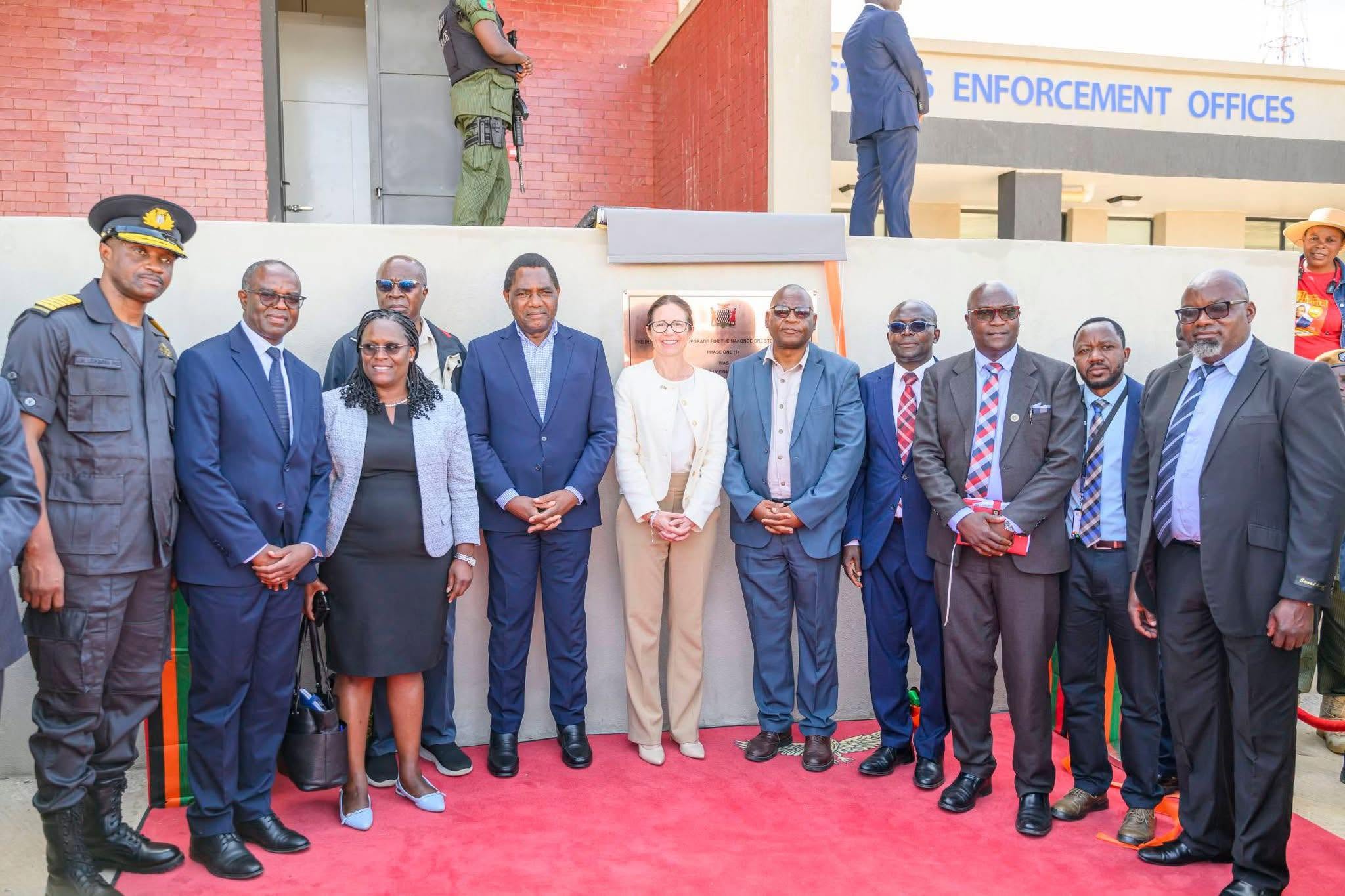
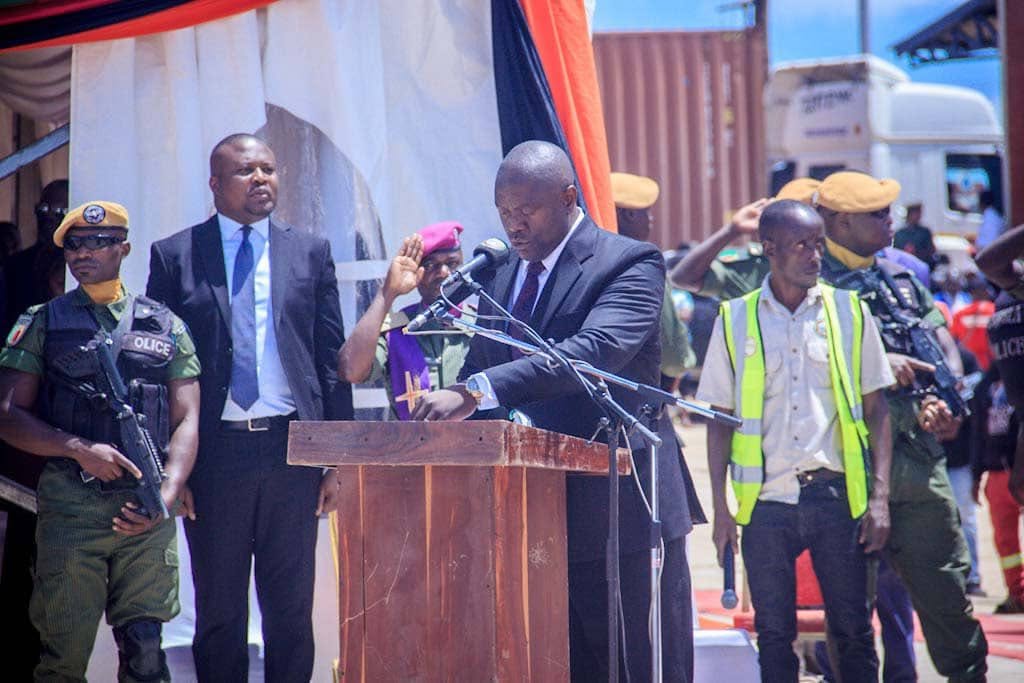
President Hakainde Hichilema has commissioned Phase One of the upgraded Nakonde One Stop Border Post (OSBP) in Nakonde District of Muchinga Province. Speaking during the commissioning of the Nakonde One Stop Border Post (OSBP) this afternoon, President Hichilema described the facility as a game changer for trade revenue generation and regional integration.
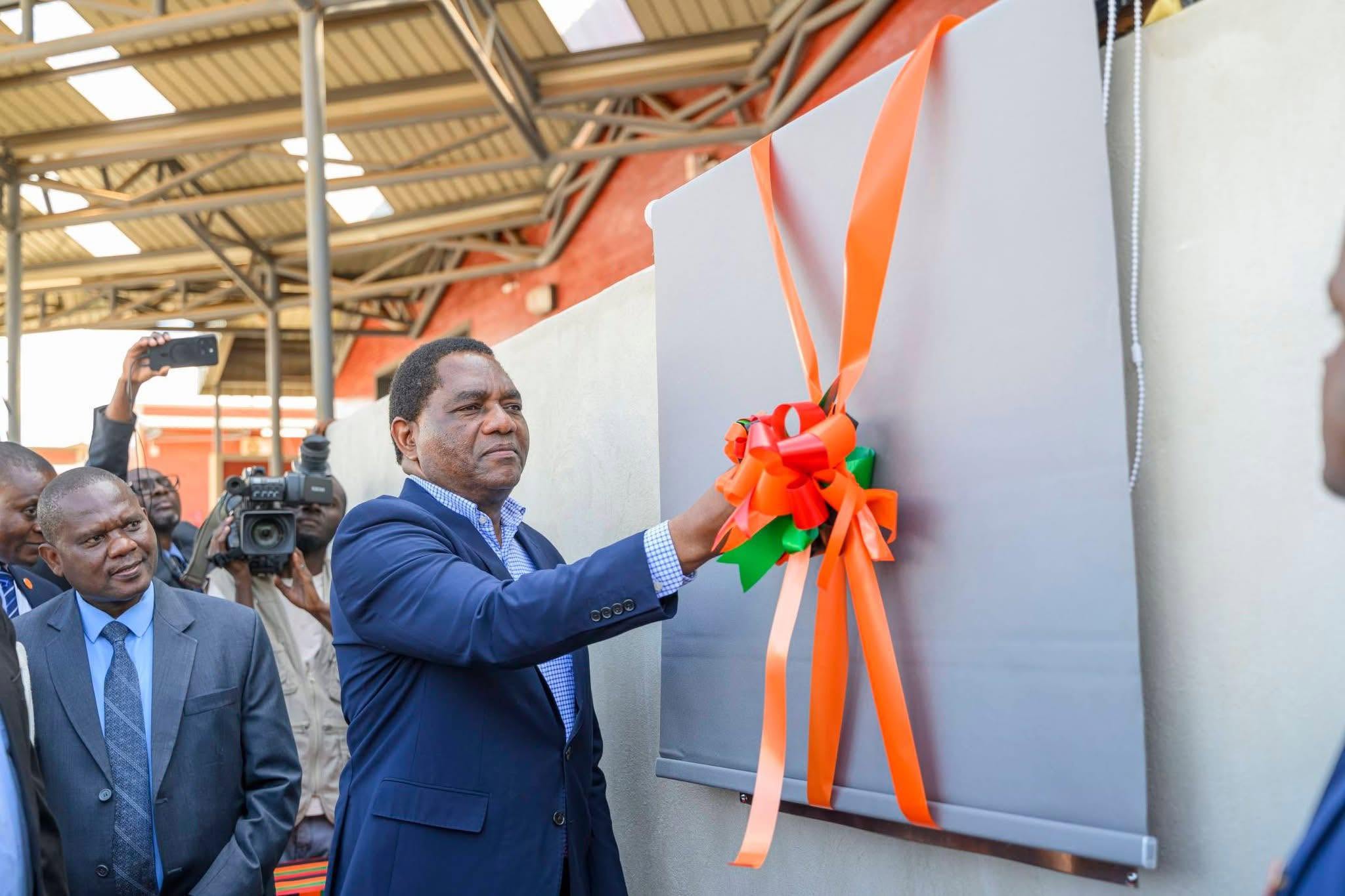
"The modernised border post will enhance efficiency in the movement of goods and people between Zambia and Tanzania. There is a need to move towards a single digital identity system to further ease cross-border movement," President Hichilema said.
“We are one people, and we must simplify movement between our countries. For many years, Zambia has not fully utilised the potential of the Nakonde Border Post, resulting in slow clearance processes and limited earnings for clearing agents."
He said the improved infrastructure will increase Government revenue, which will in turn support key social programmes such as free education, recruitment of teachers, provision of desks, improved water and sanitation, and the school feeding programme.
"Allow me also to commend traditional leaders in this area for providing land for the project. Our traditional leaders are key partners in development," President Hichilema said.
He also thanked the British High Commission, contractors, the local community and other cooperating partners for their support in delivering the project.
President Hichilema said the Nakonde One Stop Border Post supports the aspirations of the African Continental Free Trade Area (AfCFTA) by facilitating trade and improving connectivity across the region.
He also praised the hardworking people of Nakonde and Muchinga Province, expressing optimism that Phase Two of the project will be implemented soon.
He said the Government was accelerating other strategic projects, including the Zambia-Tanzania power interconnector, the revitalisation of the Tanzania-Zambia Railway Authority (TAZARA), and the expansion of the pipeline to improve the transportation of petroleum products.
"Allow me to also announce that the construction of a fully-fledged international airport in Nakonde’s Mwenzo area has commenced. The airport will transform the district into a key economic hub" President Hichilema said.
“We do not want Nakonde to be just a transit point, but an interconnector to different markets. Zambia is not landlocked but land-linked, with Burundi considered its ninth neighbour."
Infrastructure, Housing and Urban Development Minister, Hon. Eng. Charles Lubasi Milupi said the funding of Phase One from the British Government covered the commercial side of business such as the procurement and installation of a modern drive-through Cargo Scanner that has the capacity to scan more than 100 trucks per hour.
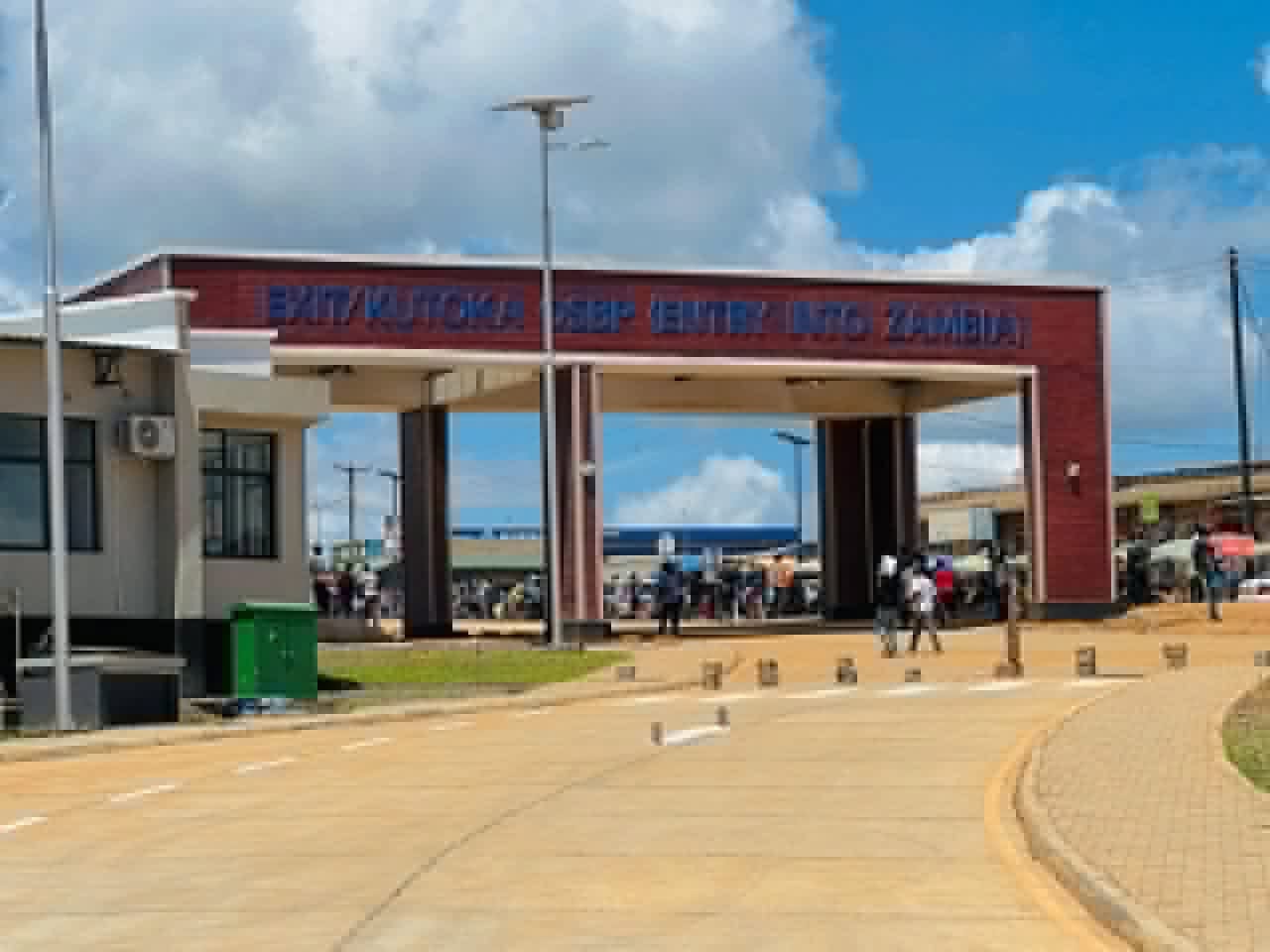
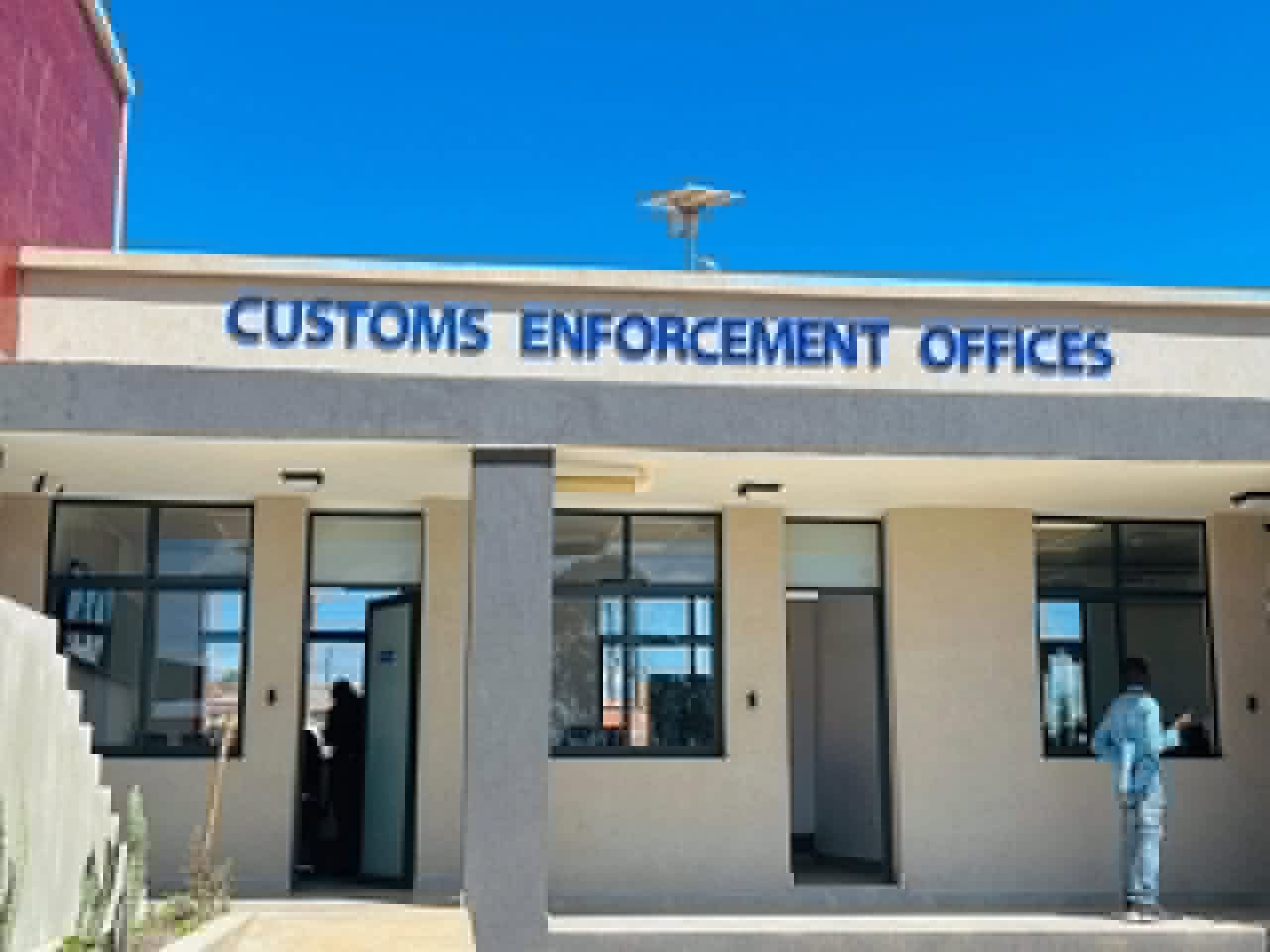
He said the funding also covered the construction of a concrete truck parking yard, warehouses, offices, verification shed, pump house, customs enforcement buildings, generator house and other related facilities.
"The others are utility services including electrical installations and drainage systems, associated civil and structural works," Hon. Eng. Milupi said.
He said the World Bank was supporting Zambia with a grant of USD 19.6 million for the second phase of the project.
"Nakonde Border along with its twin border of Tunduma of the United Republic of Tanzania, is one of the busiest entry and exit points for cargo not only for Zambia but for the region as a whole," Hon. Eng. Milupi said.
"The upgraded infrastructure of the Nakonde Border will enhance efficiency and allow it to operate as a One-Stop-Border-Post."
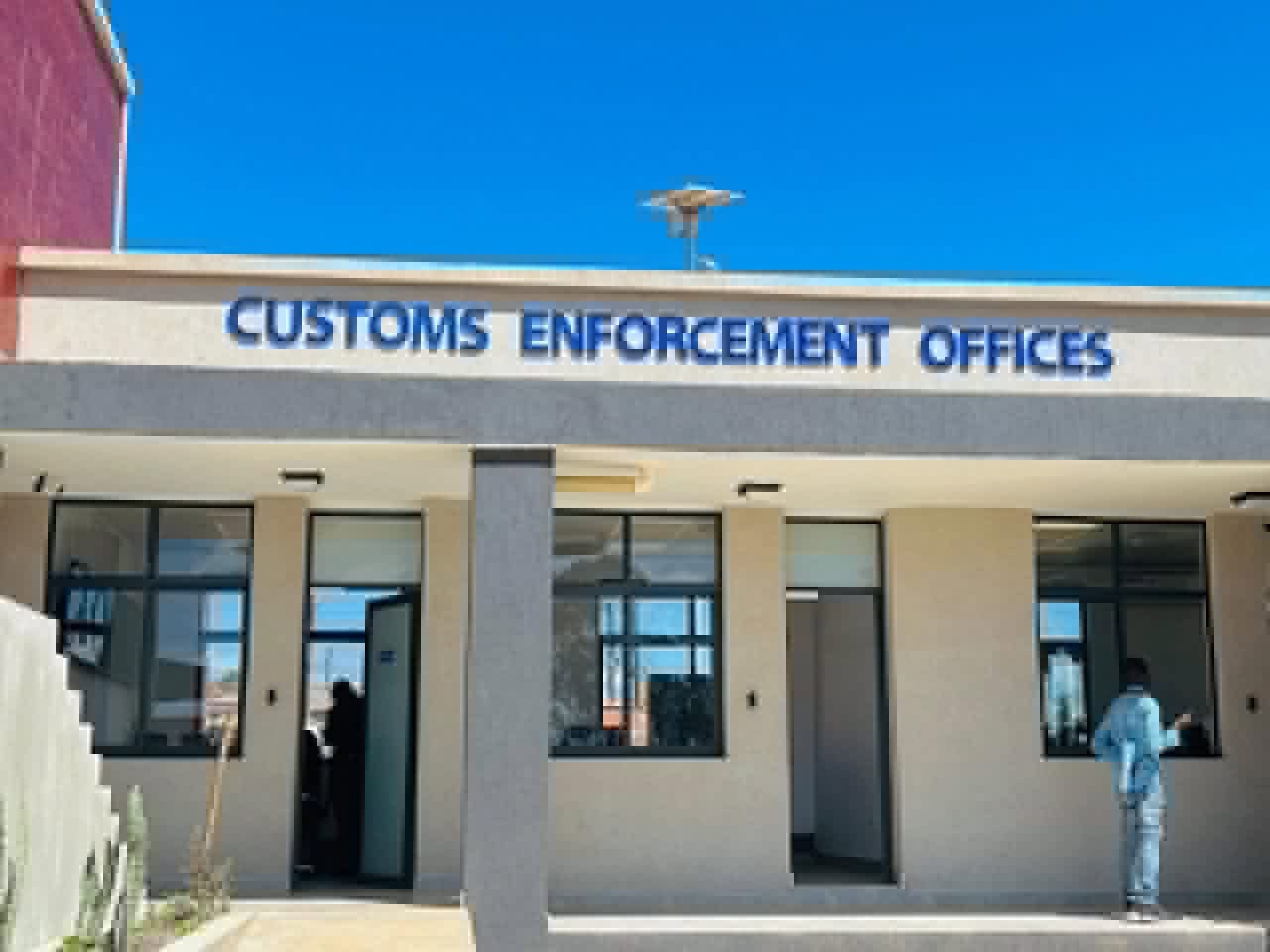
The Nakonde OSBP occupies a critical position along the North-South and Dar es Salaam Corridors, serving as a vital gateway to the port of Dar es Salaam and facilitating the movement of imports and exports.
The project has been implemented by the Government of Zambia with support from TradeMark Africa.
The One Stop Border Post concept allows for joint border processing by Zambia and Tanzania, significantly reducing crossing times, improving efficiency and strengthening regional trade integration.