
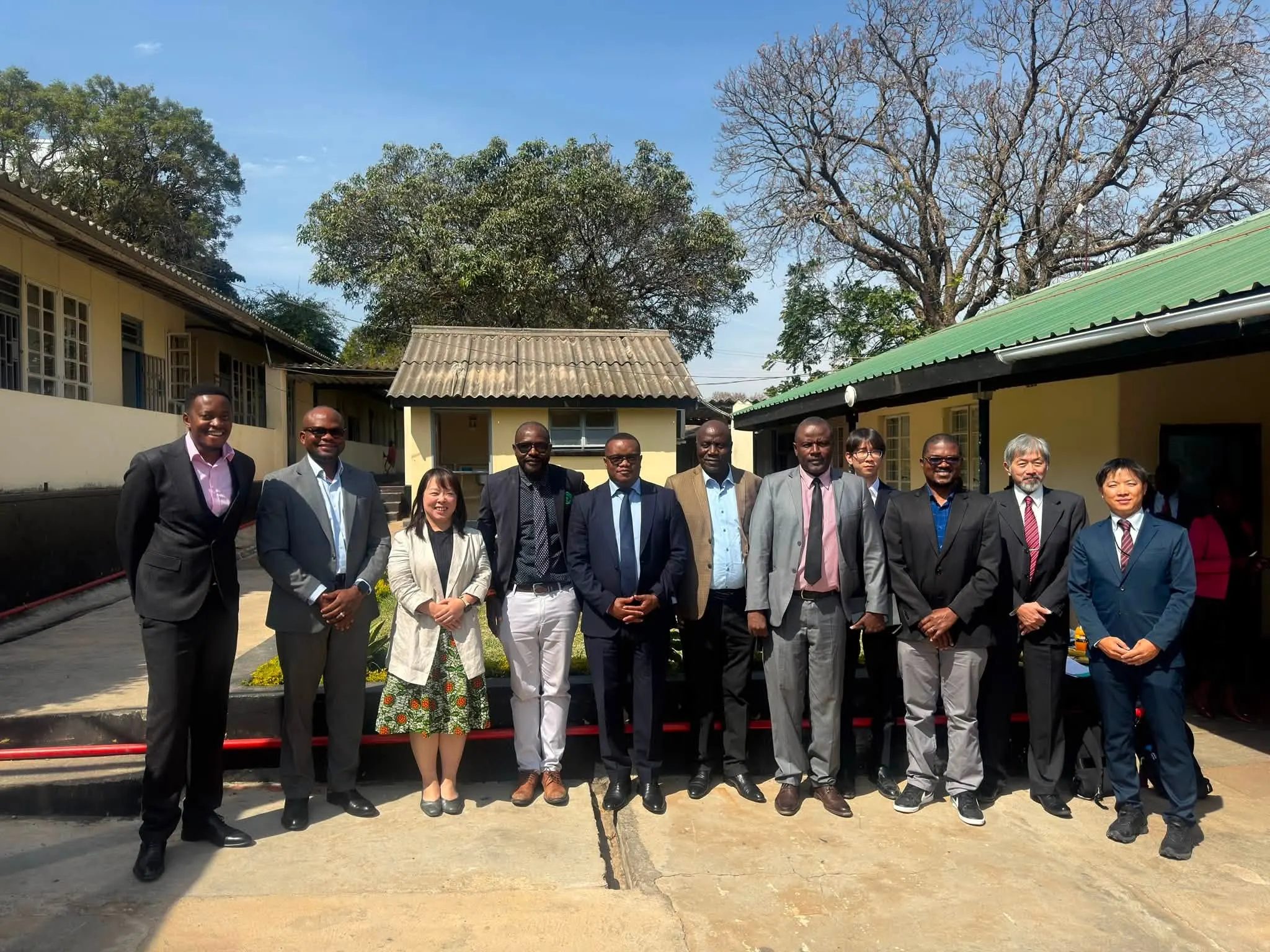
The Government of the Republic of Zambia has reaffirmed its commitment to strengthening the country’s bridge inspection and maintenance systems by investing in local capacity, institutional partnerships and sustainable infrastructure management.
Speaking during the Joint Coordinating Committee (JCC) Meeting for the Bridge Inspection and Maintenance Capacity Building Project, the Ministry of Infrastructure, Housing and Urban Development, represented by Chief Planner, Mr. Aaron Mutale on behalf of Permanent Secretary Prof. Albert Malama, said the Government remains committed to building a resilient bridge maintenance system capable of preserving the country’s strategic transport infrastructure.
Prof. Malama noted that the current phase of the project builds on the achievements of the first and second phases, which successfully strengthened institutional capacity in bridge inspection and maintenance through technical cooperation between the Governments of Zambia and Japan.
He expressed the Government’s sincere appreciation to the Government of Japan and the Japan International Cooperation Agency (JICA) for their continued technical and financial support, which has contributed significantly to strengthening Zambia’s bridge management systems.
Prof. Malama said the government will continue to support the project while expanding capacity-building initiatives through specialised training programmes for engineers and local contractors. He added that institutions such as the National Council for Construction (NCC) will play an important role in equipping contractors with practical skills in routine bridge maintenance and repair to ensure long-term sustainability.
He further highlighted the commissioning of the Bridge Maintenance Centre at the University of Zambia in January 2026 as a major milestone that will promote research, innovation and professional training in bridge maintenance, ultimately enhancing the country’s ability to preserve critical transport infrastructure.
Earlier, welcoming delegates to the meeting on behalf of the Road Development Agency (RDA), Director and Chief Executive Officer, Eng. Nelson Chuma, Eng. Yobe Mwalula reaffirmed the Agency’s commitment to ensuring the successful implementation of the project.
Eng. Chuma thanked the Governments of Zambia and Japan for their continued collaboration and assured stakeholders that RDA would provide the necessary technical support, resources and budgetary provisions required for the successful delivery of the project.
He said the Agency remains committed to applying the knowledge and expertise gained through the programme to strengthen the management and maintenance of Zambia’s national bridge network, while working closely with all project partners to achieve the desired outcomes.
And JICA Chief Representative, Dr. Tomoko Ono, reaffirmed Japan’s commitment to supporting Zambia’s infrastructure development agenda through sustainable capacity building.
Dr. Ono observed that while bridges remain critical national assets that facilitate trade, economic growth and connectivity, their long-term value depends on systematic inspection, timely maintenance and effective asset management.
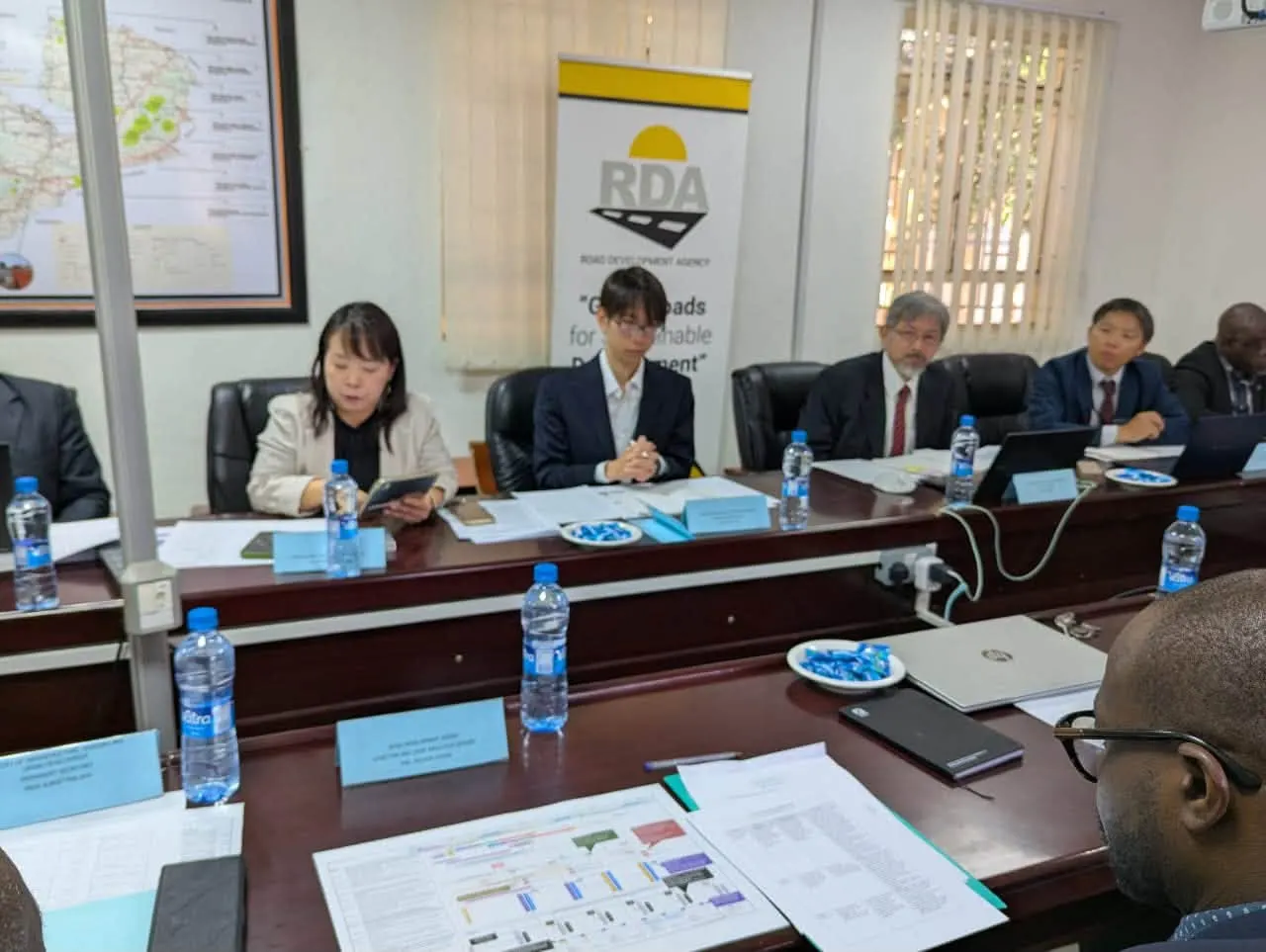
She stressed that maintenance should not be viewed as an expense but as a strategic investment that safeguards national infrastructure, protects economic productivity and ensures uninterrupted connectivity.
“Inspection, diagnosis, maintenance planning and repair must function as one continuous cycle. Without adequate maintenance funding, the effectiveness of even the best inspection systems is significantly weakened,” she said.
Dr. Ono further noted that delayed maintenance often results in significantly higher rehabilitation and reconstruction costs, while bridge failures have far-reaching economic consequences by disrupting transport corridors and regional trade.
She encouraged all stakeholders to continue working collaboratively to strengthen not only technical expertise but also the institutional systems, financing mechanisms and policy frameworks necessary to sustain effective bridge maintenance in Zambia.
Meanwhile, the University of Zambia also reaffirmed its commitment to supporting the project through research, professional training and innovation.
Head of the Department of Civil Engineering, Dr. Charles Kahanji, highlighted the achievements realised under the previous phases of the programme, including the establishment of the Bridge Maintenance and Management Centre at the University of Zambia.
He explained that the Centre is equipped with state-of-the-art bridge inspection equipment, including accelerometers, infrared cameras, specialised inspection tools and Africa’s first wheel-running fatigue testing machine, providing an advanced platform for engineering research and practical training.
Dr. Kahanji further disclosed that the University has already trained more than 60 engineers and students from Zambia and neighbouring countries through specialised bridge maintenance courses and is preparing to host the Fourth Bridge Maintenance and Management Training Programme in October 2026.
He said the University aspires to transform the Centre into a regional centre of excellence for bridge inspection, maintenance, research and professional development, serving not only Zambia but the wider Southern African region.
The Bridge Inspection and Maintenance Capacity Building Project, jointly implemented by the RDA and the University of Zambia with support from JICA, commenced in March 2026 and is scheduled to run until February 2029.
The project seeks to strengthen Zambia’s bridge asset management systems by enhancing inspection practices, maintenance planning, technical training, research and institutional capacity, ultimately contributing to a safer, more resilient and sustainable national road network.